
C&I electrification beyond solar: Financing & advising on Africa’s next wave of industrial decarbonisation
Africa’s C&I electrification market is moving beyond a narrow solar story. The first wave of adoption has been driven by unreliable grid supply, high energy costs and the need to reduce diesel dependence. In markets such as Nigeria, South Africa and Kenya, the opportunity remains significant, with C&I expected to grow materially as customers seek reliable, cost-effective, greener power. However, the next phase of industrial decarbonisation will be broader, spanning telecoms, transport, logistics, industrials and resource-linked power systems.
Cygnum Capital has been one of the active lenders in this market through the Facility for Energy Inclusion (“FEI”). FEI’s portfolio is predominantly focused on C&I, across C&I solar and telecom-ESCOs. It has financed larger platforms such as AktivCo, CREI, CrossBoundary Energy (“CBE”), Equator Energy and Solarise, as well as regional players such as NuRAN Wireless and Cicada Solar. This mix matters as larger platforms aggregate demand and build across markets, while smaller regional developers can deliver impact in more complex markets such as Zimbabwe, Mali and the DRC, where local knowledge, structuring flexibility and patient capital matter. As regulatory frameworks improve, including in SAPP-linked markets such as Zambia, the scope for C&I continues to expand.
The next layer of C&I electrification extends into transport, logistics and industrial equipment. Electric mobility is scaling first in high-utilisation segments, particularly two-wheelers, where lower fuel and maintenance costs can improve economics for riders and fleet operators. At the same time, investment is moving into enabling infrastructure, including charging and battery-swapping networks, telecom power, cold storage and cleaner industrial processes. Through the Africa Go Green Fund, Cygnum has supported businesses such as Spiro, Ampersand, ARCH Cold Chain Solutions, Mawingu and NewGas. These investments show that decarbonisation is often driven by cost savings, reliability and operational resilience, not only ESG considerations.
C&I electrification is also increasingly relevant to mining and resource-linked infrastructure. Mines, smelters and industrial corridors require high uptime and secure power, often in remote locations where diesel is expensive and logistically difficult. As hybrid systems and battery storage become more practical, electrification is becoming an operating and competitiveness issue. Cygnum’s advisory business has worked on related transactions with clients including GreenCo, CEC, CBE and Mota-Engil Africa, supporting critical infrastructure and industrial transition.
Africa’s next phase of C&I electrification will require more than just technology. It will require bankable business models, flexible capital and partners who understand how to turn complex infrastructure needs into executable transactions.
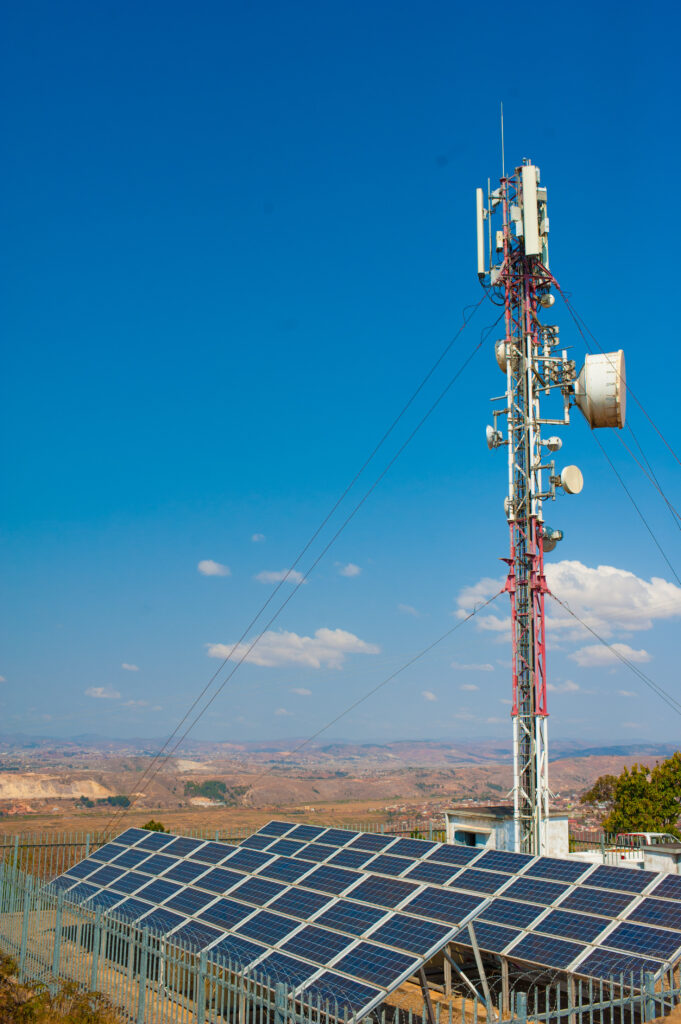
AktivCo / Camusat