
Solar & battery storage transform energy reliability at a school in Mombasa, Kenya
Educational institutions depend on reliable electricity to support learning, administration, security, and digital technologies. However, rising electricity costs and grid instability can place significant pressure on operating budgets and daily operations.
To address these challenges, Burhani Solar designed and installed a 64 kWp solar PV system coupled with 92 kWh of battery energy storage for an educational facility in Mombasa, Kenya. The project was developed with two primary objectives: reducing dependence on grid electricity and improving energy reliability across the campus.
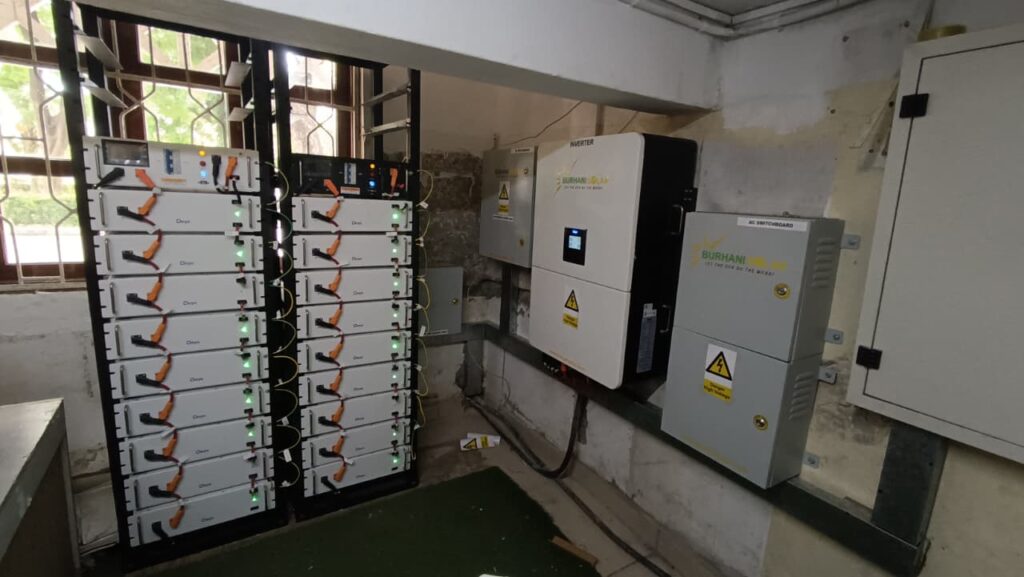
The solar-plus-storage system enables the facility to generate and store clean energy during the day while providing backup power when required. Since commissioning, operational data has demonstrated strong performance, with approximately 95% of the facility’s electricity consumption now being supplied by solar energy and battery storage.
This high level of solar penetration has significantly reduced the school’s reliance on grid power, resulting in lower electricity costs and greater protection against utility outages. Reliable access to electricity is particularly important in educational environments, where interruptions can affect classroom activities, administrative operations, internet connectivity, and essential support services.
Beyond the immediate financial benefits, the project contributes to the institution’s long-term sustainability goals by reducing its carbon footprint and dependence on conventional energy sources. The installation demonstrates how solar and battery storage can provide a practical and cost-effective energy solution for schools and other educational facilities across East Africa.
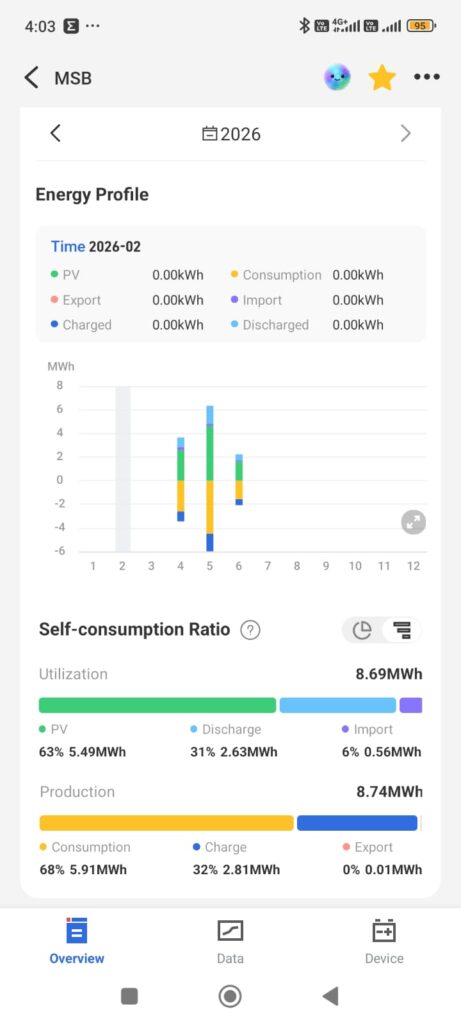 A key aspect of the project was ensuring that the system design matched the school’s energy consumption profile and operational requirements. Through careful load analysis, system sizing, and integration of battery storage, the installation was optimised to maximise solar utilisation while maintaining energy security throughout the day.
For Burhani Solar, the project reflects a broader commitment to supporting Kenya’s transition to clean and resilient energy systems. As energy costs continue to rise and institutions seek greater control over their energy supply, solar-plus-storage solutions are becoming an increasingly attractive investment.
This project serves as a strong example of how renewable energy can deliver measurable impact in the education sector. By generating approximately 95% of its electricity from solar energy, the facility is reducing operating costs, improving energy resilience, and creating a more sustainable environment for students and staff.