
Battery storage: The key to a smaller, smarter generator
A generator can be correctly sized for a site’s biggest load and still be poorly matched to most of the day. The deciding peak may be a large motor starting at a mine, a factory’s production ramp or several refrigeration compressors switching on together.
Once that moment passes, the generator may carry only a small part of its rated capacity. Generator manufacturers identify a high-load efficiency sweet spot and warn that prolonged low-load operation can increase fuel waste and the risk of wet stacking.
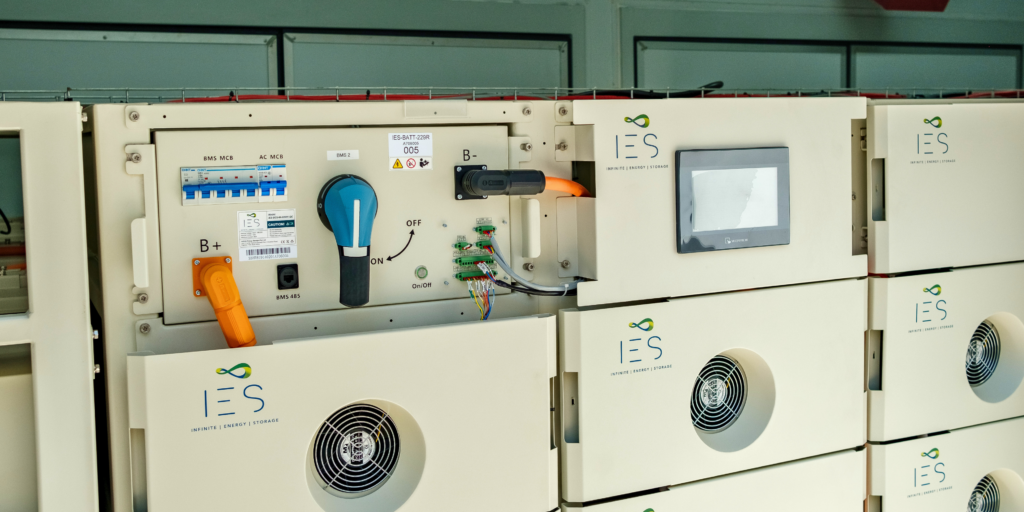
A battery energy storage system changes the division of work. The battery responds to short peaks and fast load changes, while the generator supplies sustained energy. The generator can then run for fewer hours and closer to a healthy loading range.
For the right site, this can support a smaller generator, reduce diesel consumption and maintenance, and improve power quality. The battery can respond in milliseconds, helping to support motor starts and limit voltage or frequency dips while the generator handles the longer-duration load.
This is not as simple as adding a battery container. Interval load data, motor-starting requirements, critical loads, outage duration, site conditions and fuel logistics all affect the result. The controls, protection, switchgear, generator and BESS must operate as one plant.
This is especially relevant for African mines, manufacturers and agri-processors where loads vary, grids may be unreliable and fuel can travel a long way to reach site.
Read the full SustainGroup article to see how generator right-sizing works, where the fuel savings come from and which questions should be answered before a hybrid system is specified.