
From backup power to business advantage: The rise of BESS arbitrage in Africa
For many commercial and industrial businesses, battery energy storage has traditionally been viewed as backup power: a necessary investment to protect operations when the grid becomes unreliable. But across South Africa and broader African markets, that view is changing.
Battery energy storage systems are no longer only about keeping the lights on. When designed correctly, BESS can help businesses reduce exposure to expensive peak-period electricity, improve solar PV returns, and turn energy storage into a strategic financial asset.
The opportunity lies in BESS arbitrage. Under Time-of-Use tariff structures, electricity prices vary depending on when power is consumed. Energy is typically cheaper during off-peak periods and more expensive during peak demand windows. A properly configured BESS allows a business to store electricity when it is cheaper, or when solar PV generation is available, and then use that stored energy when grid electricity is more expensive.
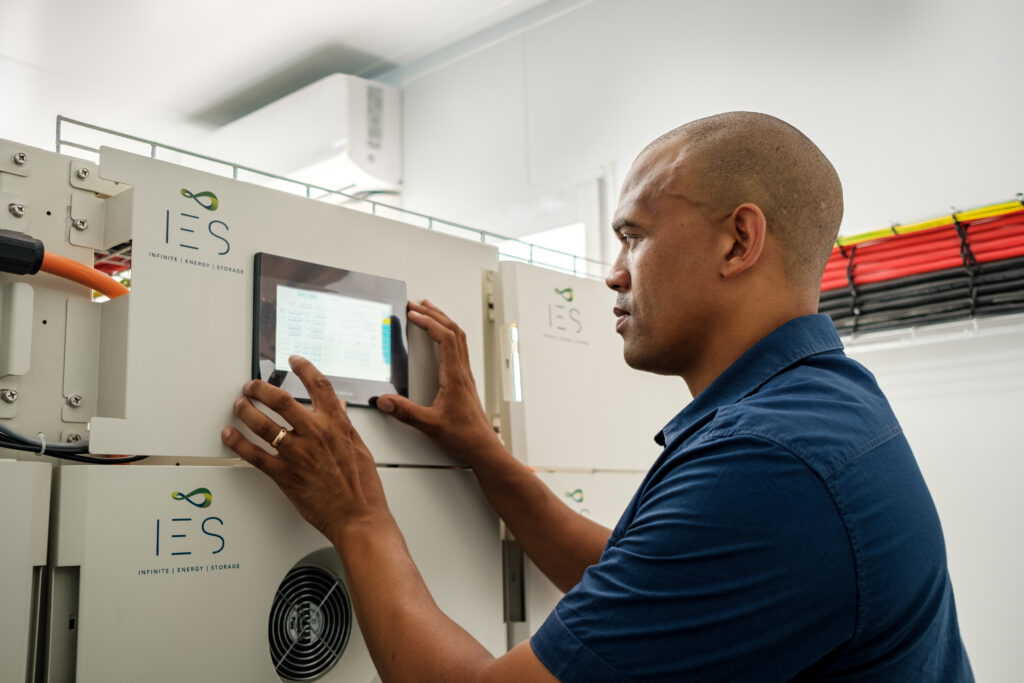
For C&I energy users, this changes the business case for storage. A battery is no longer only an insurance policy against outages. It can become an active part of the site’s energy strategy, helping to manage costs, improve resilience, reduce diesel reliance, and make better use of on-site solar generation.
SustainGroup highlights that the strongest results come when storage is designed around the site’s actual load profile, tariff structure, solar potential, backup requirements, and energy management system control logic.
As electricity tariffs continue to rise and African energy markets become more sophisticated, the ability to shift and optimise energy use will become increasingly important. For businesses looking to move from reactive energy management to strategic energy control, BESS arbitrage is becoming a critical consideration.
Read the full article here.