
Renewable electrification is the goal. Green industrialisation is where the returns already exist.
The COP31 Presidency has set a landmark global electrification target: electricity’s share of final energy demand must rise from just over 20% today to 35% by 2035. ARE is proud to back this target as part of the #ElectrifyNow campaign that helped secure this commitment. A global goal requires investment, infrastructure and policy roll-out to be achieved, in the places where the need is greatest. One of the clearest ways forward is to electrify commercial and industrial (C&I) operations with renewables.
C&I electrification in developing countries generates a genuine triple dividend. It cuts operating costs and shields businesses from fossil fuel price volatility, it builds local generation and distribution capacity that strengthens resilience in markets where grids are often unreliable or absent, and, where conditions allow, it can directly extend energy access to surrounding communities. Often it works as a standalone proposition, simply powering, repowering, or hybridising a single offtaker, hence contributing to resilience, climate mitigation and job creation.
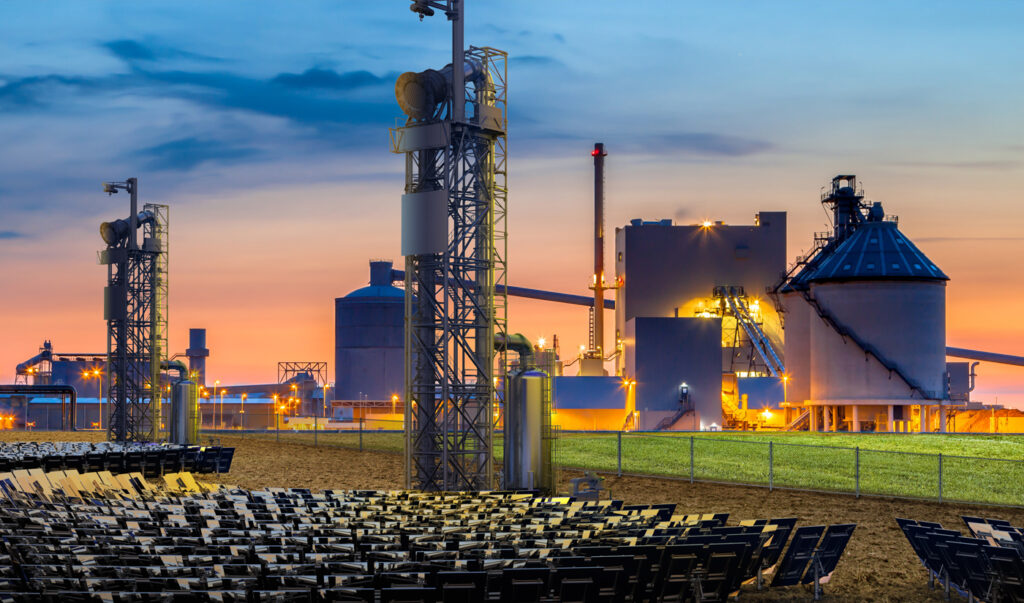
247Solar
This kind of deal is not an isolated case but part of a broadening market. As Cygnum Capital observes, the first wave of C&I adoption in markets like Nigeria, South Africa and Kenya was driven by unreliable grids and high diesel costs, but the next phase is reaching further, into electric mobility, cold chain, telecom power, and resource-linked infrastructure, with financing increasingly flowing to a mix of large aggregators and regional developers working in more complex markets. That growth brings its own discipline requirements: as TRRC notes, a C&I energy system is long-term infrastructure, not a one-off installation, and its value depends as much on ongoing operational support and performance management as on the initial engineering, since client needs, load profiles, and tariffs all evolve well after commissioning.
As this market matures, more countries are likely to merge their green industrialisation and energy access agendas rather than pursue them separately, requiring or incentivising large offtakers to extend a share of generation, or the infrastructure built around it, to surrounding communities in support of sustainable development. This is precisely where ARE and its Members are positioned to add value: helping countries chart a path that captures both the industrial and access dimensions of electrification, and helping companies recognise and capitalise on what is fast becoming a mega opportunity.
For corporations weighing C&I opportunities in emerging markets, the political momentum is favourable, and the financing tools already exist; what remains is navigating real complexity in policy, financing, operations, and community dynamics, areas where local expertise is essential. This is exactly where ARE can help: connecting businesses with the right partners and governments with informed advice, and scoping the market through our flagship events and activities. We invite you to join ARE, access our experienced network, and showcase your green efforts. Together, we can turn a global target into power on the ground, project by project, market by market.