Beyond installation: Building C&I energy infrastructure that performs long after commissioning
Across Africa, commercial and industrial businesses are increasingly turning to solar PV, battery energy storage and hybrid energy systems to protect themselves from unreliable grid supply, rising electricity costs and operational disruption. For food producers, cold-storage facilities, farms, logistics companies, retailers, manufacturers and processing plants, electricity is not simply a utility cost. It is a core requirement for production, refrigeration, security, equipment uptime and business continuity.
This shift has created strong momentum in the commercial and industrial renewable energy market. However, one of the most important lessons from project delivery across African markets is that successful electrification is not only about installing solar panels. The real value lies in building an energy asset that is correctly designed, properly financed, well executed and supported long after commissioning.
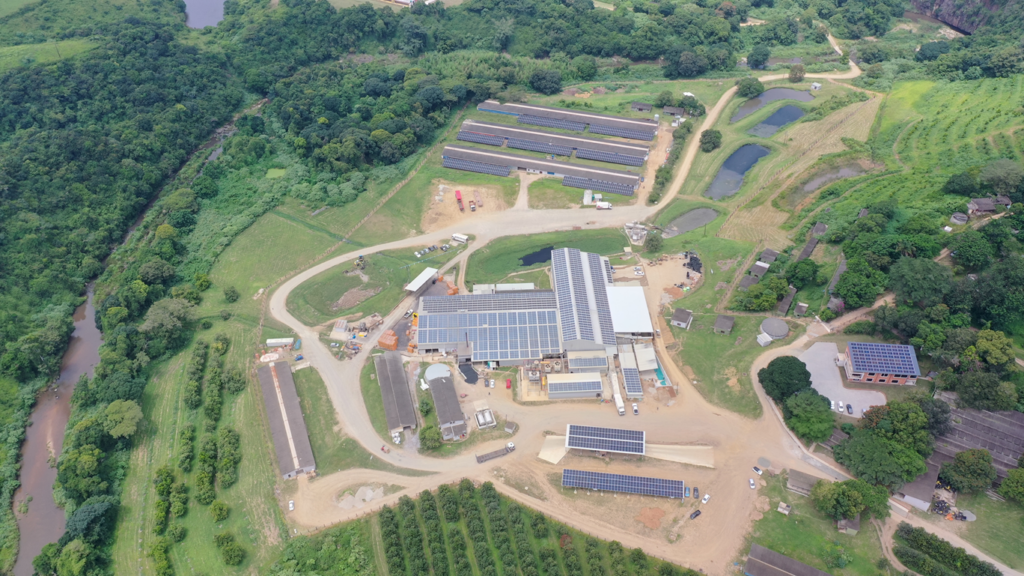
TRRC, The Renewable Resource Company, currently supports commercial and industrial energy infrastructure across Southern Africa, including South Africa, Eswatini, Zambia, Botswana and selected West African markets such as Mali. With more than 237 completed renewable energy projects, approximately 50 MWp of installed solar PV capacity and 30 MWh of battery energy storage delivered, TRRC’s experience has reinforced a key lesson: the long-term success of an energy project depends as much on operational support and performance management as it does on engineering and construction.
At TRRC, we believe C&I electrification should be approached as long-term energy infrastructure, not as a once-off construction project. In many cases, commissioning is not the end of the project. It is the beginning of the asset’s operational life.
A C&I solar or hybrid system may be designed to reduce grid dependence, protect production, lower operating costs or support a growing facility. But after commissioning, the client’s needs continue to evolve. Load profiles change. Production lines expand. Refrigeration demand increases. Backup requirements become more critical. Tariffs change. A site that was correctly sized at installation may later require optimisation, expansion or a different operating strategy.
This is why a successful C&I energy project starts with a clear understanding of the client’s business. A solar system for a logistics depot does not serve the same operational purpose as a system for a poultry processor, a cold-storage facility, a retail distribution centre, an agricultural operation or a manufacturing plant. Some clients are primarily trying to reduce their monthly electricity bill. Others need backup power to protect product, prevent downtime or keep essential machinery operating during grid outages. Others are looking for a financed energy solution that allows them to benefit from renewable energy without carrying the full upfront capital expenditure.
Read the full article here.