
Beyond the battery: Building a circular energy storage economy
As investment in battery energy storage systems (BESS) accelerates, attention is increasingly turning to the full lifecycle of these assets. Beyond their role in supporting grid stability and renewable deployment, how batteries are maintained, renewed and ultimately recycled has implications for their long-term environmental and financial value.
The circular economy is based on three principles. Products are designed to eliminate waste and pollution, reuse materials and regenerate nature, it being the primary source of our supply chains.
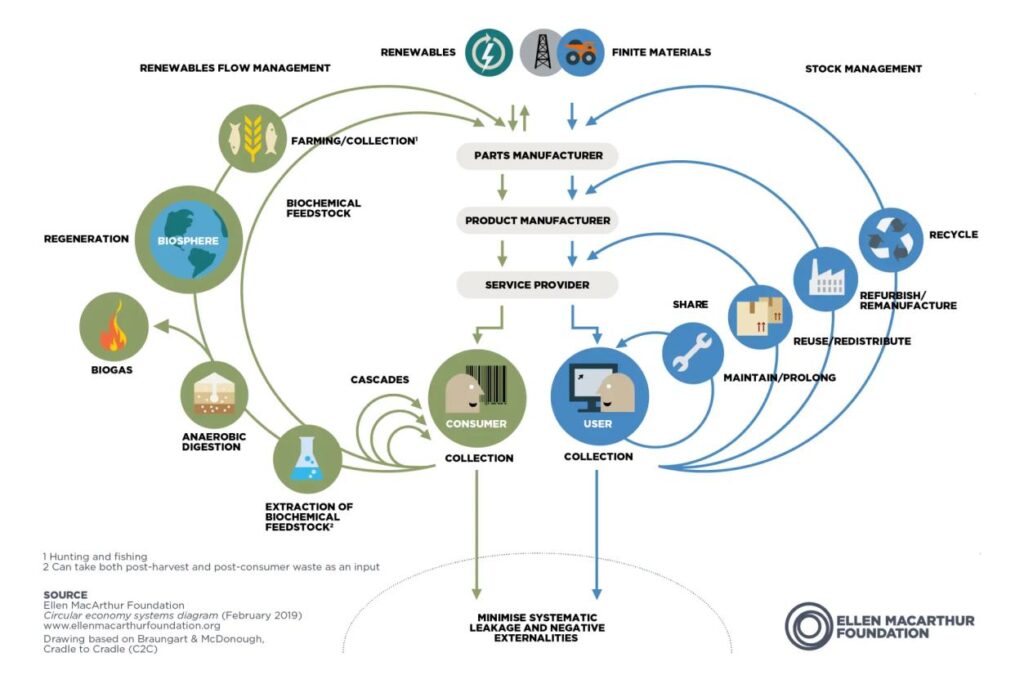
Ellen MacArthur Foundation
For BESS this means changing the traditional model of procuring new cells, to recovering materials for productive reuse. The traditional pyrometallurgical method used to separate out base metals is energy intensive and loses much of the key materials, such as lithium and the cathode crystal structure. Conversely, modern recycling processes recover more of these valuable materials, reducing reliance on virgin resources.
The EU Battery Regulation is also bringing greater focus to lifecycle management through Extended Producer Responsibility, whereby responsibility for end-of-life batteries sits with the company bringing the batteries to market which may be the manufacturer, the importer or the integrator.
Many local authorities are already including decommissioning requirements in their planning conditions, requiring the consideration of activities several decades into the future. For investors and developers, planning for circularity from the outset could therefore help manage future decommissioning costs, regulatory and environmental obligations, while lowering transfer risk and increasing residual value.
At the end of a cell’s usable life materials including lithium, copper, aluminium and the cathode structure can be recovered and reused, retaining more value within local or regional supply chains. This matters as demand for critical minerals continues to grow.
Lithium demand has increased four-fold in the past decade and it is projected to triple by 2030 alone, with prices reflecting the immediate diminishing availability. A 1 GWh portfolio contains around 90 tonnes of lithium with each tonne requiring 2.2 million litres of salinated water. Some of this may be in a closed loop system but the knock-on effects of this intensive process to extract virgin material results in toxic leachate. Long-term it’s more efficient from a cost and resource use perspective to recycle closer to the site than to procure new.
Having a shorter, more circular supply chain should also reduce exposure to raw-material price volatility, capacity constraints and regulatory risk. Building a circular BESS economy should therefore not be viewed solely through an ESG lens. Done effectively, it should strengthen operational resilience, improve the long-term financial attractiveness of energy storage assets and reduce project impacts.