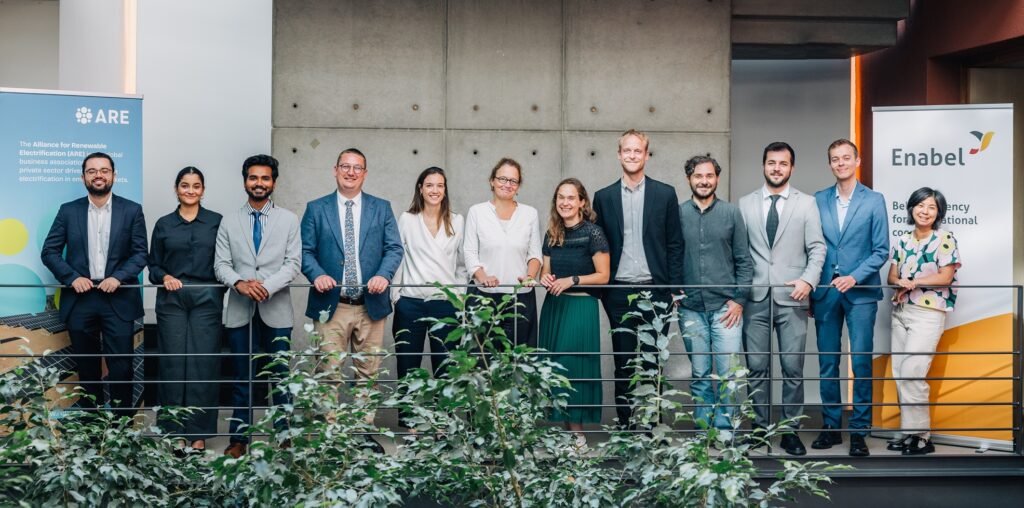
Green Industrialisation Days 2026 brings finance, policy and industry together to catalyse deals
The first edition of Green Industrialisation Days (GID) brought together the finance, policy and industry stakeholders in Brussels on 24–25 September 2026, creating a new platform to turn renewable electrification opportunities into investment and partnerships.
Organised by the Alliance for Renewable Electrification (ARE) in cooperation with Enabel, the Belgian development agency, the two-day, invite-only event focused on the role of renewable electrification in powering the green industrialisation of commercial and industrial (C&I) businesses.
ARE members, private and public sector representatives, partners, EU institutions and investors came together to share market intelligence, explore investment opportunities and identify new routes and partnerships through pilot concepts like Investor offer stage, country opportunity stage and dealroom. The common objective was to scale renewable energy solutions in C&I markets.
GID replaces ARE’s Industry Action Day with a broader annual platform designed to connect the right players, facilitate deals and help move projects closer to investment and implementation.
Day 1: Building partnerships and connecting projects with finance
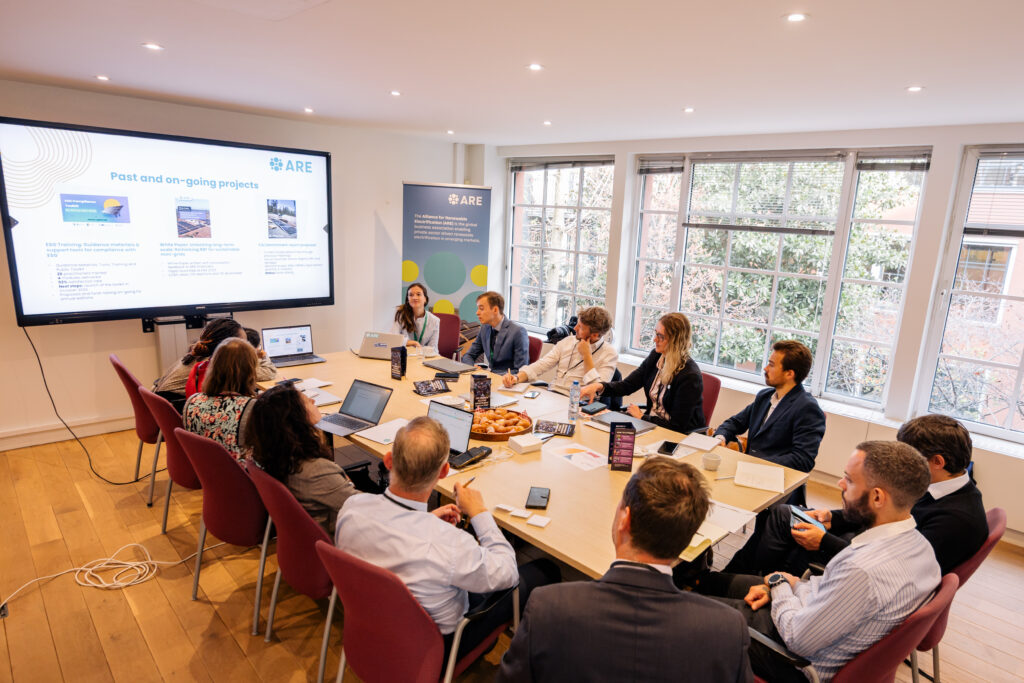
The programme opened with closed-door ARE Member Circle meetings bringing together financiers, technology and manufacturing companies, and EPCs and developers. Discussions focused on the priorities and challenges facing each group, with key outcomes shared with members.
David Lecoque, CEO of ARE, and Evelien Masschelein, Director of Expertise at Enabel, officially welcomed participants. The opening keynote was delivered by Ambassador Dr Mohamed Mansour Mohamed Kadah, Assistant Secretary General for Programmes at COMESA.
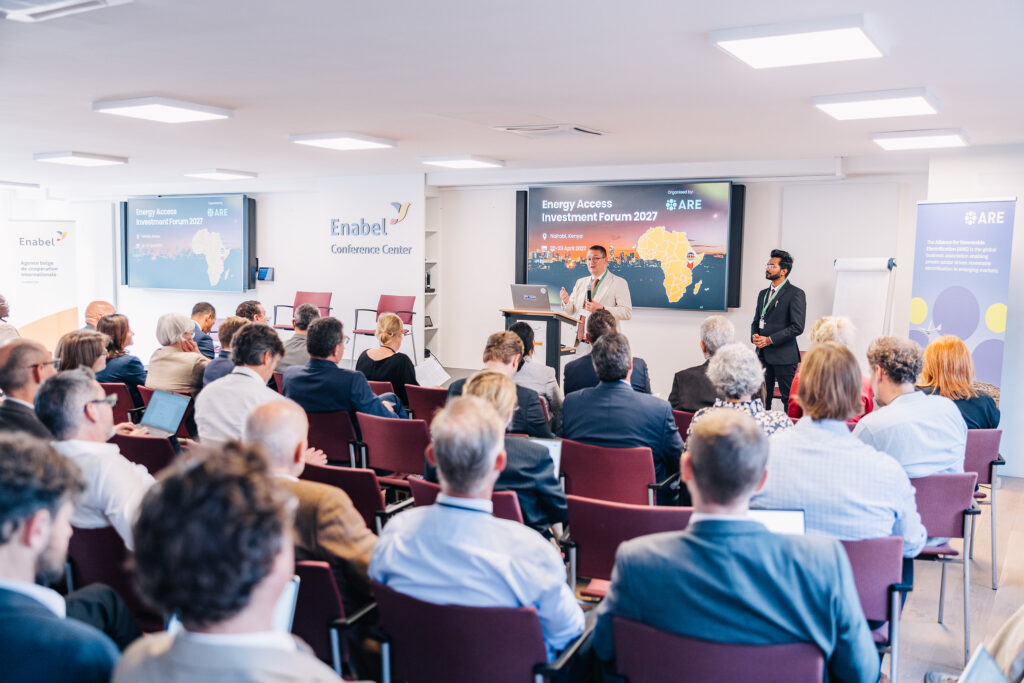
The opening also marked an important new partnership, with COMESA and ARE signing a Memorandum of Understanding to strengthen cooperation around renewable electrification and green industrialisation.
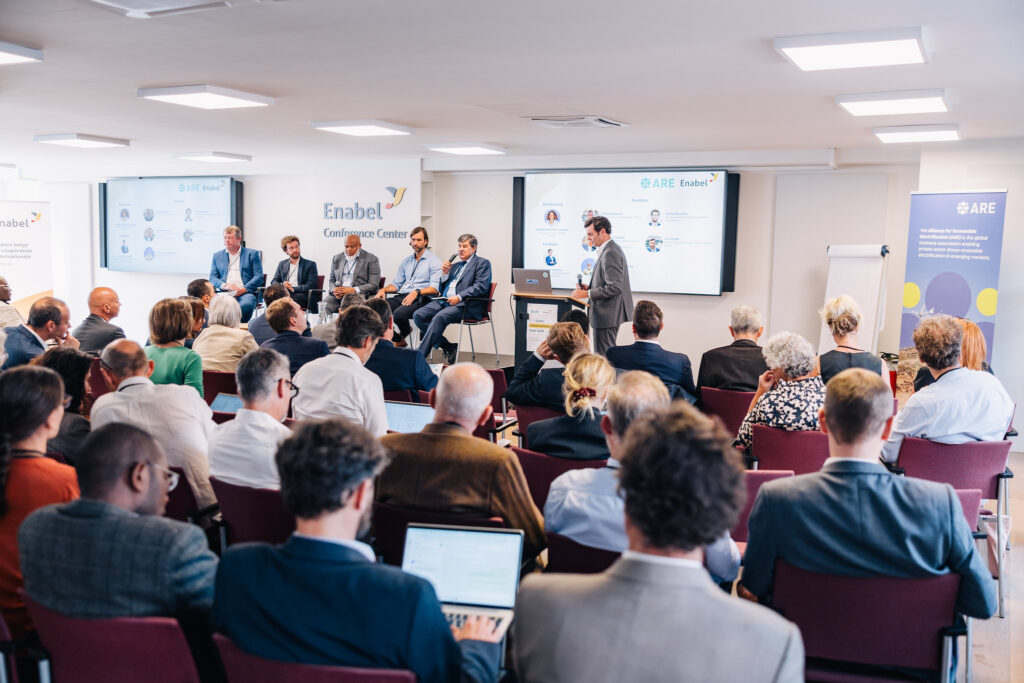
A joint Enabel – ARE session explored how renewable energy can help businesses move from productive use towards larger scale C&I applications. Under the theme “From Productive Use to C&I: Scaling Renewable Electrification for Green Industrialisation”, Schneider Electric facilitated a discussion introduced by Enabel.
The panel brought together perspectives from across the value chain: MyJouleBox, Vyncke, European Investment Bank, GSMA and ANSER (Democratic Republic of Congo).
Investors put their offers on the table
The first Investor Offer Stage gave development finance institutions and investment platforms the opportunity to set out how they can support renewable electrification projects from early development through to scale.
- PIDG outlined its project lifecycle toolkit, combining technical assistance grants, early–stage equity through InfraCo, and long–term debt and local currency guarantees through EAAIF and GuarantCo.
- FMO, the Dutch entrepreneurial development bank, presented its financing offer across loans, guarantees and equity.
- BIO, the Belgian development finance institution, highlighted project tickets of EUR 5-20 million and technical assistance co–financing of up to EUR 350,000. BIO also reported EUR 235 million in new approvals in 2025, with 55% directed towards Africa.
- ElectriFI, managed by EDFI MC, presented its EU funded financing facility, which offers EUR 1-10 million tickets and has around EUR 349 million under management, alongside country windows covering 11 Sub Saharan African countries.
The day closed with a brand new Dealroom format and networking session. Dealroom allowed participants to meet hosts including BIO, PIDG, CEI Africa, TCX, EDFI MC, FMO, NOA Invest, Oikocredit, GET.invest, UNIDO, Embassy of Kenya and the Embassy of the DRC.
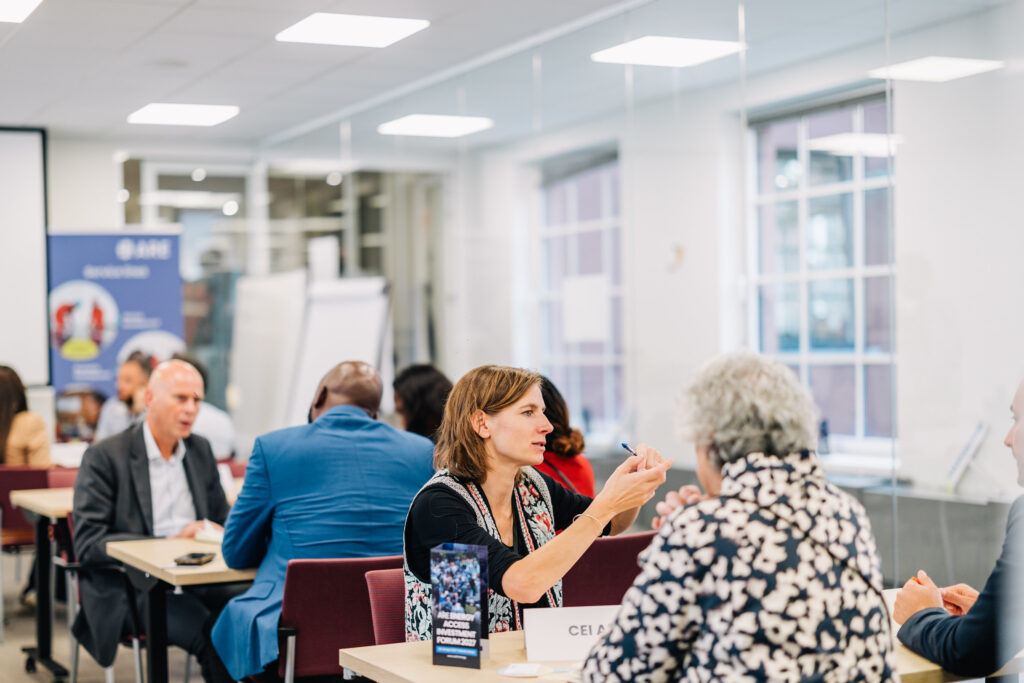
Day 2: Unlocking investment, climate finance and country opportunities
The second day continued the focus on turning market opportunities into investable projects, opening with another Investor Offer Stage. Participants also heard from a range of investors and financing platforms working across emerging markets.
- TCX Fund highlighted the importance of local currency financing, using an example from Sierra Leone to demonstrate how currency risk can affect the bankability of renewable energy projects.
- CEI Africa shared results from its work across mini-grids, productive use and crowdlending. The platform has financed more than 100 mini-grids, reaching around 57,000 connections and mobilising approximately USD 32 million in private capital.
- NOA Invest presented its C&I solar model and its approach to working with EPCs and developers in Uganda and Sierra Leone.
- Oikocredit outlined its ambition to deploy EUR 200 million in climate finance by 2030, alongside its four priority areas.
- Enabel presented its EUR 6.7 million Business Development Facility, complemented by a catalytic element and structured around three windows covering preparation, innovation and investment. The facility targets sectors including transport, logistics and agri value chains.
Country opportunities take centre stage
The Country Opportunity Stage put concrete investment opportunities in front of an audience of potential partners and financiers, highlighting both the scale of demand and the range of projects emerging across African markets.
- Kenya: H.E. Amb. Joash Arthur Maangi highlighted Kenya‘s strong renewable electricity base, with 79% of grid electricity coming from renewables and geothermal accounting for around 40% of generation. He identified five priority areas for further investment: C&I energy, geothermal for industry, mini-grids and productive use, e mobility, and bioenergy and clean cooking.
- Democratic Republic of Congo: ANSER highlighted the scale of the country’s electrification challenge, with national electricity access at around 21% and rural access at approximately 1%. DRC is targeting 50% electrification by 2030 and universal access by 2045. The presentation also highlighted an estimated 2,000 MW of mining sector power demand and opportunities spanning productive use, clean cooking, biogas and waste to energy.
- Zimbabwe: GET.invest Finance Catalyst presented the Intensive Energy Users Group, representing 105 mining and export focused members seeking more reliable power. A key opportunity is a proposed 250 MW solar plus storage portfolio across four platinum mine sites, with an estimated investment requirement of around €500 million. The presentation also explored how EU Global Gateway instruments could help strengthen the bankability of such large-scale projects.
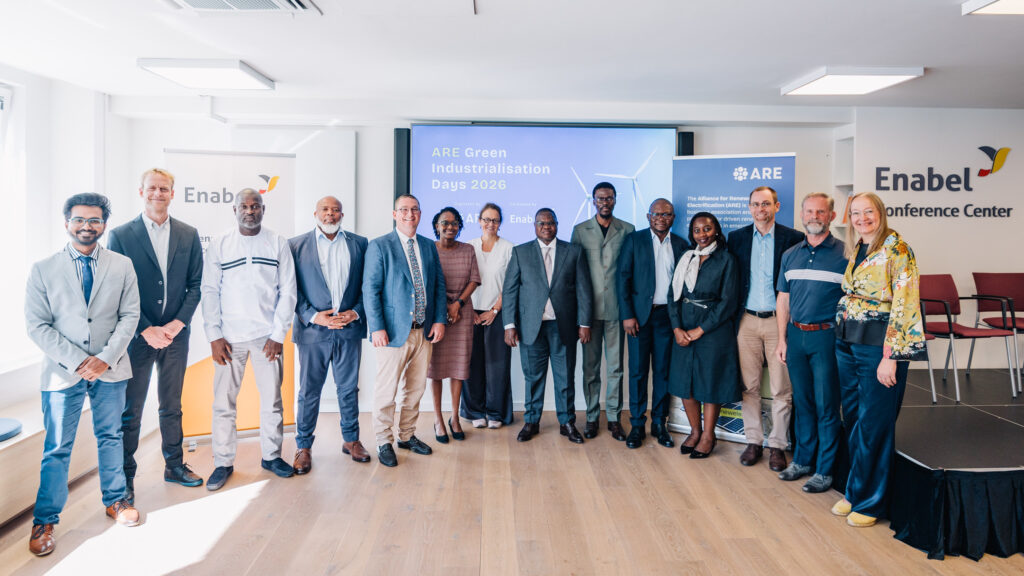
David Lecoque, CEO of ARE, closed the programme with a call to action to join forces towards advancing green industrialisation efforts and invited participants to join ARE in Nairobi for its 12th Energy Access Investment Forum in April 2027. Lastly, participants moved into a second Dealroom session to continue their meetings followed by networking lunch.
From conversations to action
Across two days, GID demonstrated the value of bringing investors, policymakers, developers, technology providers and businesses into the same room.
From local currency financing and technical assistance to country level investment opportunities and large-scale C&I projects, the event created space for practical conversations around what is needed to move renewable electrification projects forward.
GID is expected to return as an annual platform for connecting market opportunities with the finance, partnerships and expertise needed to turn them into action.